
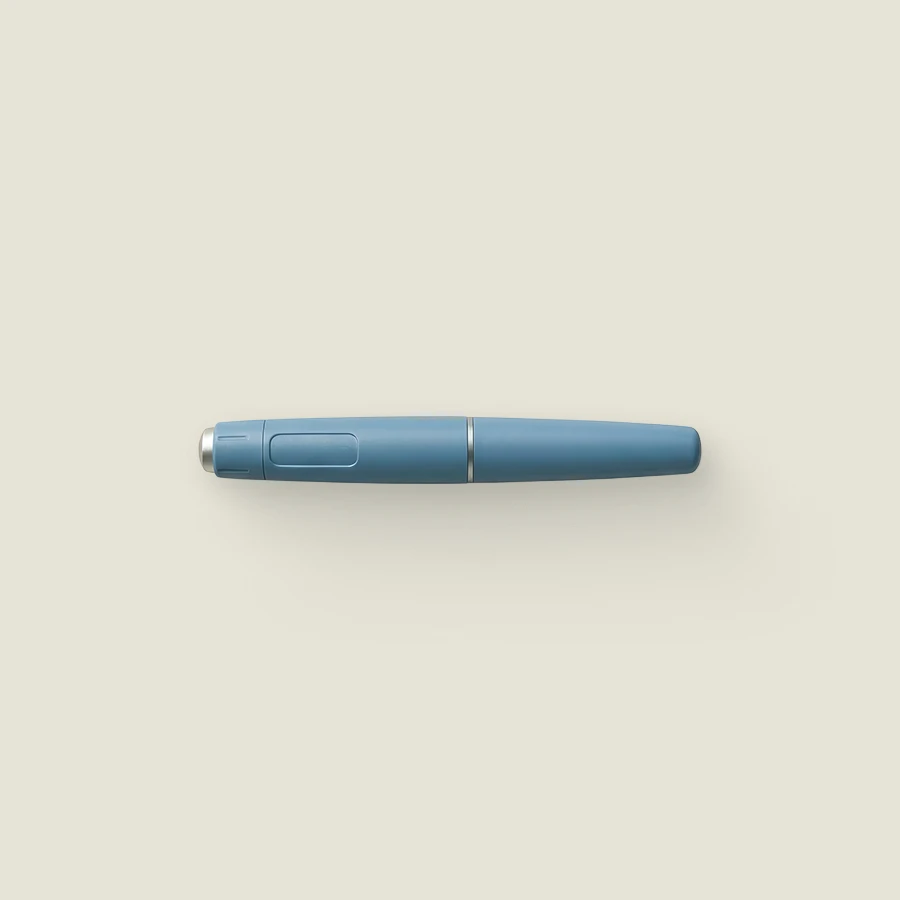


TrumpRX Ozempic list available online
Trump Rx Ozempic pen details ;
OZEMPIC may cause serious side effects, including:
• Possible thyroid tumors, including cancer. Tell your healthcare provider if you get a lump or swelling in your neck, hoarseness, trouble swallowing, or shortness of breath. These may be symptoms of thyroid cancer. In studies with rodents, OZEMPIC and medicines that work like trump rx OZEMPIC caused thyroid tumors, including thyroid cancer. It is not known if OZEMPIC will cause thyroid tumors or a type of thyroid cancer called medullary thyroid carcinoma (MTC) in people.
• Do not use OZEMPIC if you or any of your family have ever had a type of thyroid cancer called medullary thyroid carcinoma (MTC), or if you have an endocrine system condition called Multiple Endocrine Neoplasia syndrome type 2 (MEN 2).
• along with diet and exercise to improve blood sugar (glucose) in adults with type 2 diabetes mellitus.
• to reduce the risk of major cardiovascular events such as heart attack, stroke or death in adults with type 2 diabetes mellitus with known heart disease.
• to reduce the risk of kidney disease worsening, kidney failure (end-stage kidney disease), and death due to cardiovascular disease in adults with type 2 diabetes mellitus and chronic kidney disease.
It is not known if OZEMPIC is safe and effective for use in children.
• you have had a serious allergic reaction to semaglutide or any of the ingredients in OZEMPIC. See the end of this Medication Guide for a complete list of ingredients in OZEMPIC. See “What are the possible side effects of OZEMPIC?” for symptoms of a serious allergic reaction.
• have a history of diabetic retinopathy.
• have severe problems with your stomach, such as slowed emptying of your stomach (gastroparesis) or problems with digesting food.
• are scheduled to have surgery or other procedures that use anesthesia or deep sleepiness (deep sedation).
• are pregnant or plan to become pregnant. It is not known if OZEMPIC will harm your unborn baby. You should stop using OZEMPIC at least 2 months before you plan to become pregnant. Talk to your healthcare provider about the best way to control your blood sugar if you plan to become pregnant or while you are pregnant.
• are breastfeeding or plan to breastfeed. It is not known if OZEMPIC passes into your breast milk. You should talk with your healthcare provider about the best way to feed your baby while using OZEMPIC.
Tell your healthcare provider about all the medicines you take, including prescription and over-the-counter medicines, vitamins, and herbal supplements. OZEMPIC may affect the way some medicines work and some medicines may affect the way OZEMPIC works.
Before using OZEMPIC, talk to your healthcare provider about low blood sugar and how to manage it. Tell your healthcare provider if you are taking other medicines to treat diabetes, including insulin or sulfonylureas.
Know the medicines you take. Keep a list of them to show your healthcare provider and pharmacist when you get a new medicine.
• Use OZEMPIC exactly as your healthcare provider tells you to.
• Your healthcare provider should show you how to use OZEMPIC before you use it for the first time.
• OZEMPIC is injected under the skin (subcutaneously) of your stomach (abdomen), thigh, or upper arm. Do not inject OZEMPIC into a muscle (intramuscularly) or vein (intravenously).
• Use OZEMPIC 1 time each week, on the same day each week, at any time of the day.
• You may change the day of the week you use OZEMPIC as long as your last dose was given 2 or more days before.
• If you miss a dose of OZEMPIC, take the missed dose as soon as possible within 5 days after the missed dose. If more than 5 days have passed, skip the missed dose and take your next dose on the regularly scheduled day.
• OZEMPIC may be taken with or without food.
• Do not mix insulin and OZEMPIC together in the same injection.
• You may give an injection of OZEMPIC and insulin in the same body area (such as your stomach area), but not right next to each other.
• Change (rotate) your injection site with each injection. Do not use the same site for each injection.
• Do not share your OZEMPIC pen with other people, even if the needle has been changed. You may give other people a serious infection, or get a serious infection from them.
• If you take too much OZEMPIC, call your healthcare provider or Poison Help line at 1-800-222-1222 or go to the nearest hospital emergency room right away.
OZEMPIC may cause serious side effects, including:
• See “What is the most important information I should know about OZEMPIC?”
• inflammation of your pancreas (pancreatitis). Stop using OZEMPIC and call your healthcare provider right away if you have severe pain in your stomach area (abdomen) that will not go away, with or without vomiting. You may feel the pain from your abdomen to your back.
• changes in vision. Tell your healthcare provider if you have changes in vision during treatment with OZEMPIC.
• low blood sugar (hypoglycemia). Your risk for getting low blood sugar may be higher if you use OZEMPIC with another medicine that can cause low blood sugar, such as a sulfonylurea or insulin.
Signs and symptoms of low blood sugar may include:
◦ dizziness or light-headedness
◦ blurred vision
◦ anxiety, irritability, or mood changes
◦ sweating
◦ slurred speech
◦ hunger
◦ confusion or drowsiness
◦ shakiness
◦ weakness
◦ headache
◦ fast heartbeat
◦ feeling jittery
• Dehydration leading to kidney problems. Diarrhea, nausea, and vomiting may cause a loss of fluids (dehydration) which may cause kidney problems. It is important for you to drink fluids to help reduce your chance of dehydration. Tell your healthcare provider right away if you have nausea, vomiting, or diarrhea that does not go away.
• Severe stomach problems. Stomach problems, sometimes severe, have been reported in people who use OZEMPIC. Tell your healthcare provider if you have stomach problems that are severe or will not go away.
• Serious allergic reactions. Stop using OZEMPIC and get medical help right away, if you have any symptoms of a serious allergic reaction including:
◦ swelling of your face, lips, tongue or throat
◦ problems breathing or swallowing
◦ severe rash or itching
◦ fainting or feeling dizzy
◦ very rapid heartbeat
• gallbladder problems. Gallbladder problems have happened in some people who take OZEMPIC. Tell your healthcare provider right away if you get symptoms of gallbladder problems which may include:
◦ pain in your upper stomach (abdomen)
◦ yellowing of skin or eyes (jaundice)
◦ fever
◦ clay-colored stools
• food or liquid getting into the lungs during surgery or other procedures that use anesthesia or deep sleepiness (deep sedation). OZEMPIC may increase the chance of food getting into your lungs during surgery or other procedures. Tell all your healthcare providers that you are taking OZEMPIC before you are scheduled to have surgery or other procedures.
The most common side effects of OZEMPIC may include: nausea, vomiting, diarrhea, stomach (abdominal) pain, and constipation.
Active Ingredient: semaglutide
Inactive Ingredients: disodium phosphate dihydrate, propylene glycol, phenol and water for injection. Hydrochloric acid or sodium hydroxide may be added to adjust pH.





Reviews
There are no reviews yet.