

• have an allergy to ADMELOG® or any of the ingredients in ADMELOG®. See the end of this Patient Information leaflet for a complete list of ingredients in ADMELOG®.
• take other medicines, especially ones commonly called TZDs (thiazolidinediones).
• have heart failure or other heart problems. If you have heart failure, it may get worse while you take TZDs with ADMELOG®.
• are pregnant, or plan to become pregnant. Talk with your healthcare provider about the best way to control your blood sugar if you plan to become pregnant or while you are pregnant.
• are breastfeeding or plan to breastfeed. Talk to your healthcare provider about the best way to feed your baby while using ADMELOG®. TrumpRx ADMELOG | Trump Rx
Tell your healthcare provider about all the medicines duke, including prescription and over-the-counter medicines, vitamins, and herbal supplements.
Before you start using ADMELOG®, talk to your healthcare provider about low blood sugar and how to manage it.
• Use ADMELOG® exactly as your healthcare provider tells you to. Your healthcare provider should tell you how much ADMELOG® to use and when to use it.
• Know the type, strength, and amount of insulin you use. Do not change the type or amount of insulin you use unless your healthcare provider tells you to. The amount of insulin and the best time for you to take your insulin may need to change if you take a different type of insulin.
• Check your insulin label each time you give your injection to make sure you are using the correct insulin.
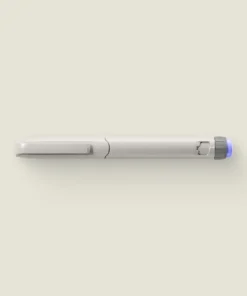
• ADMELOG® comes in a vial or in a SoloStar® single-patient-use prefilled pen.
• Do not reuse needles. Always use a new needle for each injection. Reuse of needles increases your risk of having blocked needles, which may cause you to get the wrong dose of ADMELOG®. Using a new needle for each injection also lowers your risk of getting an infection. If your needle is blocked, follow the instructions in Step 3 of the Instructions for Use of your pen.
• ADMELOG® starts acting fast. Inject ADMELOG® within 15 minutes before eating or right after eating a meal.
• Inject ADMELOG® under the skin (subcutaneously) of your upper arms, thighs, buttocks, or stomach area (abdomen), or by continuous infusion under the skin (subcutaneously) through an insulin pump into an area of your body recommended in the instructions that come with your insulin pump.
• Change (rotate) your injection site within the area you choose with each dose to reduce your risk of getting pits in skin or thickened skin (lipodystrophy) and skin with lumps (localized cutaneous amyloidosis) at the injection sites.
◦ Do not use the exact same spot for each injection.
◦ Do not inject where the skin has pits, is thickened, or has lumps.
◦ Do not inject where the skin is tender, bruised, scaly or hard, or into scars or damaged skin.
• Check your blood sugar levels. Ask your healthcare provider what your blood sugar should be and when you should check your blood sugar levels.
Keep ADMELOG® and all medicines out of the reach of children.
Your dose of ADMELOG® may need to change because of:
• a change in physical activity or exercise, weight gain or loss, increased stress, illness, change in diet, or because of other medicines you take.
• drive or operate heavy machinery, until you know how ADMELOG® affects you.
• drink alcohol or use prescription or over-the-counter medicines that contain alcohol.
• Low blood sugar (hypoglycemia). Signs and symptoms that may indicate low blood sugar include:
◦ dizziness or light-headedness, headache, shakiness, irritability or mood changes, sweating, blurred vision, fast heartbeat, hunger, confusion, slurred speech, anxiety.
• Serious allergic reactions (whole body reaction). Get medical help right away, if you have any of these signs or symptoms of a severe allergic reaction:
◦ a rash over your whole body, a fast heartbeat, sweating, trouble breathing, feel faint.
• Low potassium in your blood (hypokalemia).
• Heart failure. Taking certain diabetes pills called TZDs (thiazolidinediones) with ADMELOG® may cause heart failure in some people. This can happen even if you have never had heart failure or heart problems before. If you already have heart failure it may get worse while you take TZDs with ADMELOG®. Your healthcare provider should monitor you closely while you are taking TZDs with ADMELOG®. Tell your healthcare provider if you have any new or worse symptoms of heart failure including:
◦ shortness of breath, swelling of your ankles or feet, sudden weight gain.
Treatment with TZDs and ADMELOG® may need to be adjusted or stopped by your healthcare provider if you have new or worse heart failure.
• Sudden onset of high blood sugar (hyperglycemia) and high amounts of ketones in the blood or urine (ketoacidosis) due to insulin pump problems. If ADMELOG® is given through an insulin pump and the pump is not working the right way or in case of handling errors, you may not get the right amount of insulin, which can cause a sudden onset of high blood sugar and high amounts of ketones in the blood or urine.
Get emergency medical help if you have:
• trouble breathing, swelling of your face, tongue, or throat, dizziness, shortness of breath, sweating, confusion, fast heartbeat, extreme drowsiness.
The most common side effects of ADMELOG® include:
• low blood sugar (hypoglycemia), allergic reactions, including reactions at the injection site, skin thickening or pits at the injection site (lipodystrophy), itching, and rash.
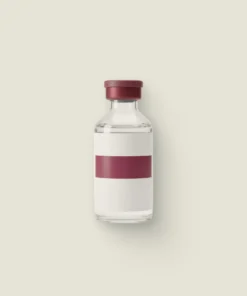
• Store unused ADMELOG® vials in the refrigerator from 36°F to 46°F (2°C to 8°C).
• Do not freeze ADMELOG®.
• Keep ADMELOG® away from direct heat and light.
• If a vial has been frozen or overheated, throw it away.
• Unopened vials can be used until the expiration date on the carton and label if they have been stored in the refrigerator.
• Unopened vials should be thrown away after 28 days if they are stored at room temperature.
After ADMELOG® vials have been opened (in-use):
• Store in-use (opened) ADMELOG® vials in a refrigerator from 36°F to 46°F (2°C to 8°C) or at room temperature up to 86°F (30°C) for up to 28 days.
• Do not freeze ADMELOG®.
• Keep ADMELOG® out of direct heat and light.
• If a vial has been frozen, throw it away.
• The ADMELOG® vial you are using should be thrown away after 28 days, even if it still has insulin left in it.
ADMELOG® in an insulin pump:
• Throw away ADMELOG® in the pump reservoir if it has been exposed to temperatures higher than 98.6°F (37°C). This may happen if the pump housing, cover, tubing, or sport case is exposed to sunlight or direct heat.
Keep ADMELOG® vials, syringes, needles and all medicines out of the reach of children.
You can ask your pharmacist or healthcare provider for information about ADMELOG® that is written for health professionals. For more information, go to www.sanofi.com or call 1-800-633-1610.




Reviews
There are no reviews yet.